
NARS1 begrijpen: hoe gist kan helpen de mysteries van de NARS1-stoornis te ontsluiten
Als het gaat om het begrijpen van zeldzame genetische aandoeningen zoals NARS1-stoornis, brengt elk nieuw onderzoek ons een stap dichter bij antwoorden, en hopelijk op een dag, bij behandelingen.
Een recent onderzoek van Professor Antony Antonellis’ laboratorium De leiding onder leiding van Sheila Peeples heeft een spannende stap voorwaarts gezet. Hoewel het misschien ongebruikelijk klinkt, maakt dit werk gebruik van gist (ja, dezelfde soort gebruikt bij het bakken!) om wetenschappers te helpen begrijpen hoe veranderingen in het NARS1-gen het lichaam beïnvloeden.
Waarom Gist bestuderen?
Het lijkt misschien vreemd dat zoiets kleins als gist ons over een menselijke conditie kan leren. Maar gist deelt eigenlijk veel overeenkomsten met onze eigen cellen, en het groeit snel, waardoor het ideaal is om te bestuderen hoe genen werken.
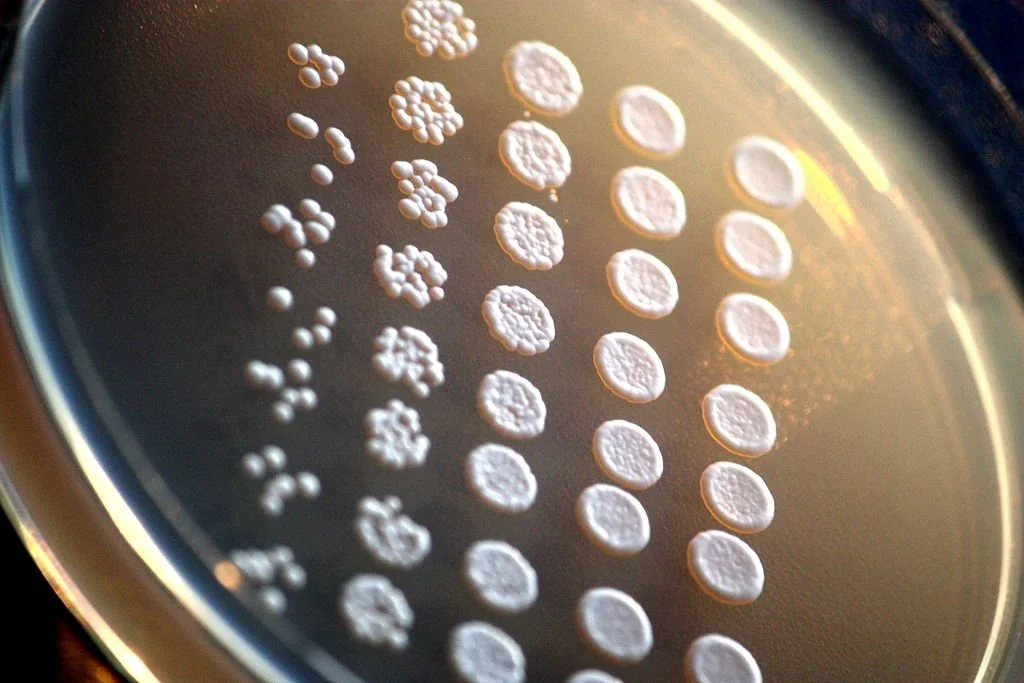
Druppelinoculatie van laboratoriumbakkersgistmutanten (Saccharomyces cerevisiae) op een agarplaat. Door Rainis Venta (eigen werk) [CC BY-SA 3.0], via Wikimedia Commons
_agariplaadil..JPG)
In deze studie wilden onderzoekers zien wat er gebeurt als het NARS1-gen niet werkt zoals het zou moeten. Het NARS1-gen vormt een eiwit dat essentieel is voor het leven. Als dit gen bij gist wordt verwijderd, kan de gist, net als bij mensen, niet overleven.
Wetenschappers kunnen de gist echter “redden” door een menselijke versie van het NARS1-gen toe te voegen, waardoor deze weer kan leven en groeien. Deze slimme aanpak betekent dat ze verschillende opties kunnen inwisselen varianten (of mutaties) van het menselijke NARS1-gen om te zien hoe elk ervan het overlevingsvermogen van de gist beïnvloedt.
Als de gist normaal groeit, lijkt de variant geen schade aan te richten. Maar als de groei vertraagt of stopt, suggereert dat dat de variant de functie van het NARS1-eiwit beschadigt, iets wat wetenschappers een functieverlies.
Waar het onderzoek naar keek
Er zijn verschillende soorten NARS1-varianten die gezondheidsproblemen kunnen veroorzaken.
Een of andere oorzaak NARS1-stoornis, wat de ontwikkeling en de hersenen kan beïnvloeden. Anderen veroorzaken een andere aandoening, genaamd Ziekte van Charcot-Marie-Tooth (CMT), wat de neiging heeft de zenuwen in de handen en voeten aan te tasten, wat leidt tot spierzwakte, hoge gebogen voeten en verminderd gevoel.
Hoewel beide aandoeningen worden veroorzaakt door varianten in hetzelfde gen, zijn de symptomen en de ernst ervan heel verschillend.
In deze studie vergeleek het team verschillende NARS1-varianten, waaronder die welke verband houden met zowel de NARS1-stoornis als de CMT, om te begrijpen hoe elk de activiteit van het gen beïnvloedt.
Wat het onderzoek heeft gevonden
De resultaten waren duidelijk en sluiten aan bij eerder onderzoek
Functieverlies (LOF): Zes van de zeven geteste varianten (zowel NARS1-stoornis als CMT) zorgden ervoor dat de gist moeite had en slecht groeide. Dit bevestigde dat de varianten een verlies van NARS1-activiteit.
Dominant-negatief effect: Toen de onderzoekers een gezonde partner combineerden NARS1 kopie met een gemuteerde kopie, het gezonde gen kon dit niet compenseren. De gemuteerde kopie was dominant, wat betekent dat het actief interfereerde met het gezonde NARS1-eiwit. Dit noemen wetenschappers een dominant-negatief effect.
De ernst van de situatie is belangrijk: Cruciaal is dat de varianten die de NARS1-stoornis veroorzaken een groter negatief (toxisch) effect op de gist dan de varianten die CMT veroorzaken. Dit suggereert een direct verband: Hoe groter het verlies van NARS1-activiteit, hoe ernstiger de ziekteuitkomst.
Waarom is dit onderzoek belangrijk voor NARS1 Families?
Deze studie vertegenwoordigt een enorme stap voorwaarts in de Zorg en Wijziging waar wij naar streven.
1. We hebben een sterkere basis: De wetenschap wordt sterker wanneer verschillende laboratoria dezelfde resultaten vinden met behulp van verschillende modellen. Dit onderzoek bevestigt wat een eerdere studie suggereerde: we hebben nu onafhankelijk, geconsolideerd bewijs van het NARS1-stoornismechanisme. Deze solide basis is van cruciaal belang als we overgaan tot het lanceren van klinische onderzoeken.
2. We hebben een nieuw hulpmiddel voor het testen van behandelingen: Gist is een zeer effectief model voor het testen van geneesmiddelen; wetenschappers noemen het "geneesmiddelbaar" Doordat de onderzoekers de ernst van de ziekte succesvol in gist hebben nagebootst, beschikken ze nu over een snel en toegankelijk model dat klaarstaat om potentiële geneesmiddelen, zoals asparagine, te testen. Dit model brengt ons dichter bij het vinden van een behandelingsmethode voordat we investeren in complexere, duurdere modellen.
Wat gebeurt er daarna?
Deze studie is de doelgerichte basis voor de volgende golf van ontdekkingen. Het model van het Antonellis lab is nu een krachtig uitgangspunt.
Onze volgende stappen, samen met onze onderzoekspartners, zijn om
Vertaal deze bevindingen naar complexere modellen, waaronder menselijke cellijnen en uiteindelijk hele organismen zoals muizen.
Test potentiële therapieën, kijkend of we de NARS1-functie kunnen herstellen en het dominant-negatieve effect kunnen omkeren.
Wij verdedigen het onderzoek dat creëert deze routekaart van het laboratorium naar behandelingen. Elk gezin dat onze missie steunt, helpt bij het opstellen van die routekaart.